Buy stukkateur.eu ?
We are moving the project
stukkateur.eu .
Are you interested in purchasing the domain
stukkateur.eu ?
domain@kv-gmbh.de · 0541-91531010
Buy stukkateur.eu ?
How can you cover heating pipes in drywall construction?
To cover heating pipes in drywall construction, you can create a bulkhead or soffit around the pipes by framing it with wood studs and then covering it with drywall. Another option is to use pre-made pipe covers made of metal or plastic that can be attached to the pipes and then covered with drywall. Additionally, you can use insulation sleeves around the pipes before covering them with drywall to help improve energy efficiency and prevent heat loss. **
How can one cover heating pipes in drywall construction?
To cover heating pipes in drywall construction, one can use metal pipe sleeves or insulation sleeves to protect the pipes. These sleeves can be installed around the pipes before the drywall is put in place. It is important to ensure that the sleeves are properly secured and that there is enough space between the pipes and the drywall to prevent overheating. Additionally, it is recommended to consult with a professional to ensure proper installation and safety measures are taken. **

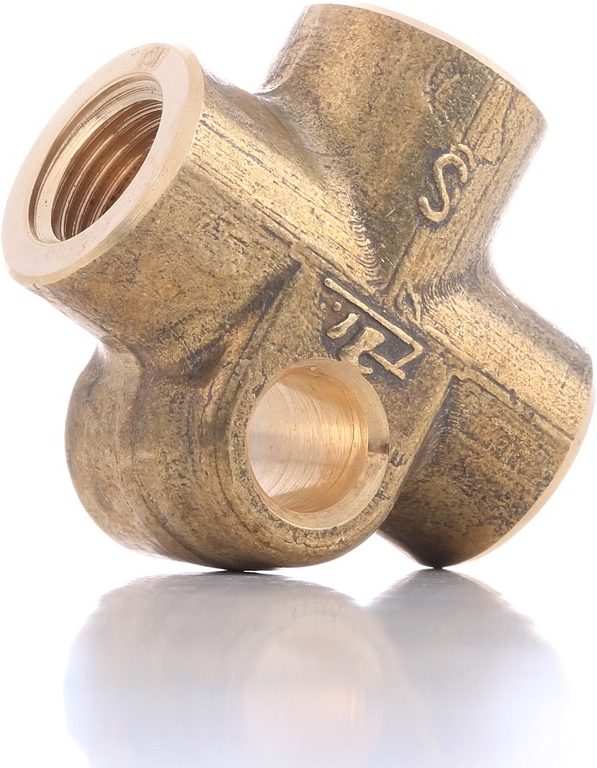
Similar search terms for Pipes
Top-Angebote
Products related to Pipes:
-
ATE 03.3513-2700.1 Connector, pipesShape: T Shape (T Piece); Number of connectors: 3; Thread Size: M10x1; Thread Type: DIN 74235 Form EL; Fastening Type: Flange mounting; Bore Diameter [mm]: 8,4; Hole Spacing 1/Hole Spacing 2: 9,0/27,0; Length [mm]: 36,020,49 £*Shipping: 8,45 £Secure redirect to the provider
-
ATE 03.3514-2600.1 Connector, pipesShape: T Shape (T Piece); Number of connectors: 4; Thread Size: M10x1; Thread Type: DIN 74235 Form FL; Fastening Type: Flange mounting; Bore Diameter [mm]: 8,4; Hole Spacing 1/Hole Spacing 2: 17,0/33,0; Length [mm]: 32,013,99 £*Shipping: 8,45 £Secure redirect to the provider


-
Are drainage pipes more stable than KG pipes?
Drainage pipes are typically more stable than KG pipes because they are designed to handle the weight of soil and water above them. Drainage pipes are usually made of materials such as PVC or corrugated metal, which are strong and durable. KG pipes, on the other hand, are typically used for non-pressure applications and may not be as sturdy as drainage pipes. Overall, drainage pipes are better suited for underground applications where stability and durability are important factors. **
-
Do you need different insulation for hot water and cold water pipes?
Yes, you do need different insulation for hot water and cold water pipes. Hot water pipes require insulation that can withstand higher temperatures to prevent heat loss and maintain the temperature of the water as it travels through the pipes. Cold water pipes, on the other hand, require insulation to prevent condensation and potential freezing in colder temperatures. Using the appropriate insulation for each type of pipe will help improve energy efficiency and prevent potential damage to the pipes. **
-
Search for an alternative to gray foam insulation sleeves for water pipes.
One alternative to gray foam insulation sleeves for water pipes is rubber insulation. Rubber insulation sleeves are durable and provide excellent thermal insulation for water pipes. Another alternative is fiberglass insulation sleeves, which are also effective at preventing heat loss and condensation on water pipes. Additionally, there are also self-sealing foam insulation sleeves available, which provide a convenient and easy-to-install option for insulating water pipes. **
-
Are plastic heating pipes as temperature-resistant as copper pipes?
Plastic heating pipes are generally not as temperature-resistant as copper pipes. While plastic pipes can withstand moderate temperatures, they may deform or melt at higher temperatures, leading to potential leaks or damage. Copper pipes, on the other hand, have a higher temperature resistance and are less likely to be affected by heat, making them a more durable option for heating systems. **


How do I replace old steel heating pipes with copper pipes?
To replace old steel heating pipes with copper pipes, you will first need to turn off the water supply to the heating system. Next, use a pipe cutter to remove the old steel pipes and clean the ends of the copper pipes that will be replacing them. Then, use soldering equipment to connect the copper pipes in place of the old steel pipes. Finally, test the new copper pipes for leaks before turning the water supply back on. It is recommended to consult a professional plumber if you are not experienced with this type of work. **
Are these lead pipes?
Yes, these are lead pipes. Lead pipes were commonly used in plumbing systems in older buildings, but they have since been phased out due to health concerns associated with lead exposure. It is important to have these pipes replaced with safer alternatives to ensure the health and safety of the occupants. **
Top-Angebote
Products related to Pipes:
-
Tools, Home & Hobby 16FT Mini Split Line Set With Copper Pipes Triple Layer Insulation HVAC Kit 16FT Mini Split Line Set With Copper Pipes Triple Layer Insulation HVAC KitKeep your mini split system running smoothly with a reliable connection solution designed for easier HVAC installation. The 16FT Mini Split Line Set combines durable copper tubing, protective insulation, and essential accessories for homeowners and...229,97 $*Shipping: 0,00 $Secure redirect to the provider
-
ATE 03.3513-1000.1 Connector, pipesShape: T Shape (T Piece); Number of connectors: 3; Thread Size: M10x1; Thread Type: DIN 74235 Form FL; Fastening Type: Flange mounting; Bore Diameter [mm]: 8,4; Hole Spacing 1/Hole Spacing 2: 8,0/23,0; Length [mm]: 30,011,49 £*Shipping: 8,45 £Secure redirect to the provider
-
ATE 03.3513-2700.1 Connector, pipesShape: T Shape (T Piece); Number of connectors: 3; Thread Size: M10x1; Thread Type: DIN 74235 Form EL; Fastening Type: Flange mounting; Bore Diameter [mm]: 8,4; Hole Spacing 1/Hole Spacing 2: 9,0/27,0; Length [mm]: 36,020,49 £*Shipping: 8,45 £Secure redirect to the provider
-
ATE 03.3514-2600.1 Connector, pipesShape: T Shape (T Piece); Number of connectors: 4; Thread Size: M10x1; Thread Type: DIN 74235 Form FL; Fastening Type: Flange mounting; Bore Diameter [mm]: 8,4; Hole Spacing 1/Hole Spacing 2: 17,0/33,0; Length [mm]: 32,013,99 £*Shipping: 8,45 £Secure redirect to the provider
-
How can you cover heating pipes in drywall construction?
To cover heating pipes in drywall construction, you can create a bulkhead or soffit around the pipes by framing it with wood studs and then covering it with drywall. Another option is to use pre-made pipe covers made of metal or plastic that can be attached to the pipes and then covered with drywall. Additionally, you can use insulation sleeves around the pipes before covering them with drywall to help improve energy efficiency and prevent heat loss. **
-
How can one cover heating pipes in drywall construction?
To cover heating pipes in drywall construction, one can use metal pipe sleeves or insulation sleeves to protect the pipes. These sleeves can be installed around the pipes before the drywall is put in place. It is important to ensure that the sleeves are properly secured and that there is enough space between the pipes and the drywall to prevent overheating. Additionally, it is recommended to consult with a professional to ensure proper installation and safety measures are taken. **
-
Are drainage pipes more stable than KG pipes?
Drainage pipes are typically more stable than KG pipes because they are designed to handle the weight of soil and water above them. Drainage pipes are usually made of materials such as PVC or corrugated metal, which are strong and durable. KG pipes, on the other hand, are typically used for non-pressure applications and may not be as sturdy as drainage pipes. Overall, drainage pipes are better suited for underground applications where stability and durability are important factors. **
-
Do you need different insulation for hot water and cold water pipes?
Yes, you do need different insulation for hot water and cold water pipes. Hot water pipes require insulation that can withstand higher temperatures to prevent heat loss and maintain the temperature of the water as it travels through the pipes. Cold water pipes, on the other hand, require insulation to prevent condensation and potential freezing in colder temperatures. Using the appropriate insulation for each type of pipe will help improve energy efficiency and prevent potential damage to the pipes. **
Similar search terms for Pipes
-
Search for an alternative to gray foam insulation sleeves for water pipes.
One alternative to gray foam insulation sleeves for water pipes is rubber insulation. Rubber insulation sleeves are durable and provide excellent thermal insulation for water pipes. Another alternative is fiberglass insulation sleeves, which are also effective at preventing heat loss and condensation on water pipes. Additionally, there are also self-sealing foam insulation sleeves available, which provide a convenient and easy-to-install option for insulating water pipes. **
-
Are plastic heating pipes as temperature-resistant as copper pipes?
Plastic heating pipes are generally not as temperature-resistant as copper pipes. While plastic pipes can withstand moderate temperatures, they may deform or melt at higher temperatures, leading to potential leaks or damage. Copper pipes, on the other hand, have a higher temperature resistance and are less likely to be affected by heat, making them a more durable option for heating systems. **
-
How do I replace old steel heating pipes with copper pipes?
To replace old steel heating pipes with copper pipes, you will first need to turn off the water supply to the heating system. Next, use a pipe cutter to remove the old steel pipes and clean the ends of the copper pipes that will be replacing them. Then, use soldering equipment to connect the copper pipes in place of the old steel pipes. Finally, test the new copper pipes for leaks before turning the water supply back on. It is recommended to consult a professional plumber if you are not experienced with this type of work. **
-
Are these lead pipes?
Yes, these are lead pipes. Lead pipes were commonly used in plumbing systems in older buildings, but they have since been phased out due to health concerns associated with lead exposure. It is important to have these pipes replaced with safer alternatives to ensure the health and safety of the occupants. **
* All prices are inclusive of VAT and, if applicable, plus shipping costs. The offer information is based on the details provided by the respective shop and is updated through automated processes. Real-time updates do not occur, so deviations can occur in individual cases. ** Note: Parts of this content were created by AI.