Buy stukkateur.eu ?
We are moving the project
stukkateur.eu .
Are you interested in purchasing the domain
stukkateur.eu ?
domain@kv-gmbh.de · 0541-91531010
Buy stukkateur.eu ?
What type of ceiling insulation could that be?
It is difficult to determine the exact type of ceiling insulation without more information. However, common types of ceiling insulation include fiberglass batts, blown-in cellulose or fiberglass, and foam board insulation. Each type has its own advantages and disadvantages in terms of cost, installation, and effectiveness. It is best to consult with a professional to determine the most suitable type of insulation for your specific needs. **
'Ceiling or wall first in drywall construction?'
In drywall construction, it is generally recommended to install the ceiling first before the walls. This is because it allows for a more seamless and secure installation of the ceiling drywall without any obstructions from the walls. Additionally, installing the ceiling first can help to provide better support for the walls and ensure a more even and level finish. However, the specific order of installation may vary depending on the specific requirements of the project and the preferences of the contractor. **


Similar search terms for Ceiling
Top-Angebote
Products related to Ceiling:
-
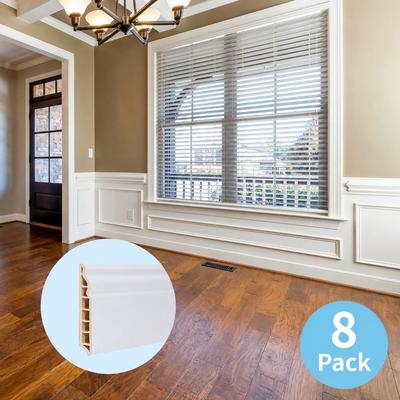
Inspired Finds Self Adhesive Decorative Wall And Ceiling Trim goldGive plain walls and ceilings a polished finish with this self adhesive decorative trim. The flexible strip adds clean border details while helping cover small gaps, uneven edges, and unfinished transitions. Its peel and stick design makes updating...34,99 $*Shipping: 0,00 $Secure redirect to the provider
-
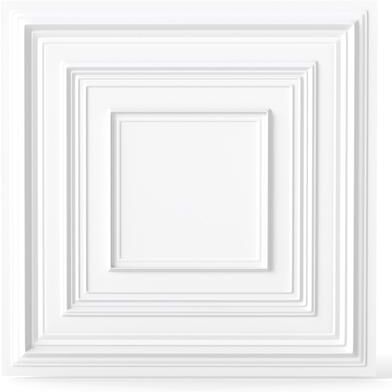
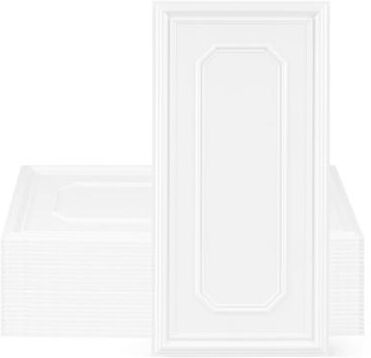
Costway 24 Pieces Ceiling Tiles Decorative PVC Ceiling Covering Panels"48""x24"" ceiling tiles drop panels pvc tile wall decorative grid stick white 3d adhesive covers rectangular up glue strength 12/24-pack bathroom building decorations dropped home interior light modern premium PVC roof support system 4'x2'"164,99 $*Shipping: 0,00 $Secure redirect to the provider

-
Which ceiling material will be used for the new construction?
The new construction will use gypsum board as the ceiling material. Gypsum board is a popular choice for ceilings due to its fire resistance, sound insulation, and ease of installation. It also provides a smooth and uniform surface for painting or finishing. Overall, gypsum board is a practical and cost-effective option for the new construction's ceiling. **
-
Should insulation be done before or after plastering?
Insulation should be done before plastering. Insulation helps to regulate the temperature inside a building and reduce energy costs, so it is important to install it before the walls are plastered. Plastering over insulation helps to create a smooth and even surface for the walls, ensuring that the insulation is properly covered and protected. Additionally, installing insulation before plastering can help to prevent any potential damage to the insulation material during the plastering process. **
-
How would you assess the thermal insulation and moisture protection in such a building construction, specifically in the wall-ceiling junction?
The thermal insulation and moisture protection in a building's wall-ceiling junction can be assessed by examining the materials used in construction, such as insulation and vapor barriers. The effectiveness of the insulation can be evaluated by checking for any gaps or compression in the insulation material, as well as ensuring that it is properly installed and covers the entire area. Additionally, the presence of a vapor barrier can help prevent moisture from entering the wall-ceiling junction, thus protecting against potential issues such as mold and mildew. Regular inspections and maintenance can also help ensure that the thermal insulation and moisture protection in the wall-ceiling junction remain effective over time. **
-
Why are there such large holes in the ceiling during construction?
Large holes in the ceiling during construction are typically created to allow access for workers to install or repair electrical wiring, plumbing, HVAC systems, or other utilities. These holes also provide space for workers to move materials and equipment between floors. Additionally, the holes may be necessary to accommodate structural changes or modifications to the building's layout. Overall, these openings are a necessary part of the construction process to ensure that all necessary components are properly installed and maintained. **


What is the room and ceiling height in a new construction?
In a new construction, the standard room height is typically 8 feet, although some builders may offer higher ceilings as an upgrade. The ceiling height can vary depending on the design and style of the home, with some rooms having vaulted or cathedral ceilings for a more spacious feel. It's important to check with the builder or developer for specific details on the room and ceiling height in a new construction. **
Is sound insulation for the ceiling in a prefabricated building possible at all?
Yes, sound insulation for the ceiling in a prefabricated building is possible. There are various methods for achieving sound insulation in prefabricated buildings, such as using acoustic ceiling tiles, adding insulation materials between the ceiling and the floor above, or installing soundproofing materials within the ceiling structure. These methods can help reduce the transmission of sound between floors and improve the overall acoustic performance of the building. With proper planning and implementation, sound insulation can be effectively achieved in prefabricated buildings. **
Top-Angebote
Products related to Ceiling:
-
Drop Dash Deals Adjustable Electric Drywall Sander Variable Speed Wall Ceiling Finishing Tool Adjustable Electric Drywall Sander Variable Speed Wall Ceiling Finishing ToolTransform tough sanding jobs into smooth, satisfying results with this 1pc powerful drywall sander built for efficiency and comfort. Designed for DIY renovators, contractors, and home improvers, it delivers fast, professionalgrade finishes with...399,97 $*Shipping: 0,00 $Secure redirect to the provider
-
Costway 12 Pieces Ceiling Tiles Decorative PVC Ceiling Covering Panels"48""x24"" ceiling tiles drop panels pvc tile wall decorative grid stick white 3d adhesive covers rectangular up glue strength 12/24-pack bathroom building decorations dropped home interior light modern premium PVC roof support system 4'x2'"88,99 $*Shipping: 0,00 $Secure redirect to the provider
-
Inspired Finds Self Adhesive Decorative Wall And Ceiling Trim goldGive plain walls and ceilings a polished finish with this self adhesive decorative trim. The flexible strip adds clean border details while helping cover small gaps, uneven edges, and unfinished transitions. Its peel and stick design makes updating...34,99 $*Shipping: 0,00 $Secure redirect to the provider
-
What type of ceiling insulation could that be?
It is difficult to determine the exact type of ceiling insulation without more information. However, common types of ceiling insulation include fiberglass batts, blown-in cellulose or fiberglass, and foam board insulation. Each type has its own advantages and disadvantages in terms of cost, installation, and effectiveness. It is best to consult with a professional to determine the most suitable type of insulation for your specific needs. **
-
'Ceiling or wall first in drywall construction?'
In drywall construction, it is generally recommended to install the ceiling first before the walls. This is because it allows for a more seamless and secure installation of the ceiling drywall without any obstructions from the walls. Additionally, installing the ceiling first can help to provide better support for the walls and ensure a more even and level finish. However, the specific order of installation may vary depending on the specific requirements of the project and the preferences of the contractor. **
-
Which ceiling material will be used for the new construction?
The new construction will use gypsum board as the ceiling material. Gypsum board is a popular choice for ceilings due to its fire resistance, sound insulation, and ease of installation. It also provides a smooth and uniform surface for painting or finishing. Overall, gypsum board is a practical and cost-effective option for the new construction's ceiling. **
-
Should insulation be done before or after plastering?
Insulation should be done before plastering. Insulation helps to regulate the temperature inside a building and reduce energy costs, so it is important to install it before the walls are plastered. Plastering over insulation helps to create a smooth and even surface for the walls, ensuring that the insulation is properly covered and protected. Additionally, installing insulation before plastering can help to prevent any potential damage to the insulation material during the plastering process. **
Similar search terms for Ceiling
-
Costway 24 Pieces Ceiling Tiles Decorative PVC Ceiling Covering Panels"48""x24"" ceiling tiles drop panels pvc tile wall decorative grid stick white 3d adhesive covers rectangular up glue strength 12/24-pack bathroom building decorations dropped home interior light modern premium PVC roof support system 4'x2'"164,99 $*Shipping: 0,00 $Secure redirect to the provider
-
Inspired Finds Self Adhesive Decorative Wall And Ceiling Trim copperGive plain walls and ceilings a polished finish with this self adhesive decorative trim. The flexible strip adds clean border details while helping cover small gaps, uneven edges, and unfinished transitions. Its peel and stick design makes updating...34,99 $*Shipping: 0,00 $Secure redirect to the provider
-
How would you assess the thermal insulation and moisture protection in such a building construction, specifically in the wall-ceiling junction?
The thermal insulation and moisture protection in a building's wall-ceiling junction can be assessed by examining the materials used in construction, such as insulation and vapor barriers. The effectiveness of the insulation can be evaluated by checking for any gaps or compression in the insulation material, as well as ensuring that it is properly installed and covers the entire area. Additionally, the presence of a vapor barrier can help prevent moisture from entering the wall-ceiling junction, thus protecting against potential issues such as mold and mildew. Regular inspections and maintenance can also help ensure that the thermal insulation and moisture protection in the wall-ceiling junction remain effective over time. **
-
Why are there such large holes in the ceiling during construction?
Large holes in the ceiling during construction are typically created to allow access for workers to install or repair electrical wiring, plumbing, HVAC systems, or other utilities. These holes also provide space for workers to move materials and equipment between floors. Additionally, the holes may be necessary to accommodate structural changes or modifications to the building's layout. Overall, these openings are a necessary part of the construction process to ensure that all necessary components are properly installed and maintained. **
-
What is the room and ceiling height in a new construction?
In a new construction, the standard room height is typically 8 feet, although some builders may offer higher ceilings as an upgrade. The ceiling height can vary depending on the design and style of the home, with some rooms having vaulted or cathedral ceilings for a more spacious feel. It's important to check with the builder or developer for specific details on the room and ceiling height in a new construction. **
-
Is sound insulation for the ceiling in a prefabricated building possible at all?
Yes, sound insulation for the ceiling in a prefabricated building is possible. There are various methods for achieving sound insulation in prefabricated buildings, such as using acoustic ceiling tiles, adding insulation materials between the ceiling and the floor above, or installing soundproofing materials within the ceiling structure. These methods can help reduce the transmission of sound between floors and improve the overall acoustic performance of the building. With proper planning and implementation, sound insulation can be effectively achieved in prefabricated buildings. **
* All prices are inclusive of VAT and, if applicable, plus shipping costs. The offer information is based on the details provided by the respective shop and is updated through automated processes. Real-time updates do not occur, so deviations can occur in individual cases. ** Note: Parts of this content were created by AI.